
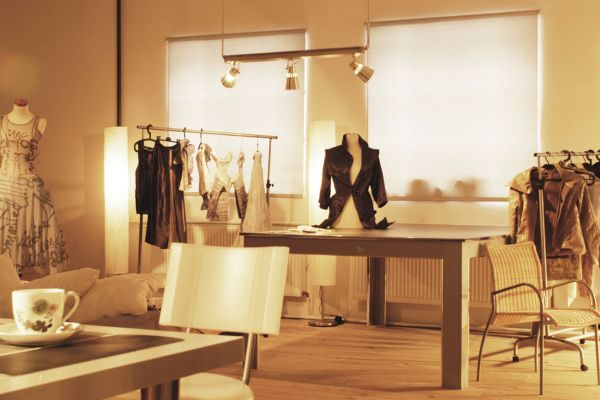
From the outside, fashion design often looks glamorous. People imagine runway lights, celebrity fittings, luxury fabrics, and endless creativity flowing effortlessly from sketchbook to spotlight. Social media has only intensified that image, turning designers into symbols of style and artistic success.
But the real life of a fashion designer is far more layered than the polished images suggest. Behind every collection, tailored jacket, or flowing dress is a long process filled with deadlines, revisions, uncertainty, technical work, and constant problem-solving. Creativity matters deeply, of course, but fashion design is just as much about discipline, observation, communication, and endurance.
For many designers, the day begins long before inspiration arrives. Fashion is not a profession that waits patiently for creative moods. It moves quickly, often demanding fresh ideas under pressure. And yet, despite the stress and unpredictability, countless designers continue chasing the work because there is something deeply satisfying about turning imagination into something people can actually wear.
The Morning Starts With Observation
The life of a fashion designer rarely begins with dramatic sketching sessions in silence. Most mornings are surprisingly practical. Emails need responses. Production updates arrive overnight. Fabric suppliers send samples. Teams ask questions about measurements, colors, or timelines.
At the same time, designers are constantly observing the world around them, often without even realizing it. Inspiration can appear almost anywhere. A person walking through a train station, the texture of an old curtain, faded street signs after rain, or the shape of oversized coats during winter can quietly influence future designs.
Fashion designers tend to develop a habit of noticing details other people overlook. They pay attention to proportions, movement, color combinations, and silhouettes almost automatically. Even ordinary routines become part of the creative process.
Coffee shops, crowded sidewalks, vintage markets, and airports often become unexpected research spaces.
Sketchbooks, Mood Boards, and Creative Direction
Once the day properly begins, ideas start taking shape more intentionally. Designers often work through concepts using sketchbooks, digital illustration programs, fabric swatches, or mood boards filled with visual references.
Some collections begin with a single emotion rather than a specific garment. A designer may want to capture nostalgia, softness, rebellion, simplicity, or movement. From there, colors, fabrics, and silhouettes slowly begin connecting together.
Contrary to popular belief, sketches are not always perfect works of art. Many are rough, quick, and functional. The purpose is to communicate ideas clearly enough to move them into development.
Mood boards play an important role because they help organize scattered inspiration into a cohesive direction. Designers pull references from architecture, cinema, music, photography, nature, and historical fashion. Sometimes completely unrelated images suddenly make sense together.
Creative work can feel exciting in these early stages, but it also comes with frustration. Not every idea works. Some sketches feel repetitive. Some concepts look better in theory than reality. Designers spend a surprising amount of time editing themselves.
The Technical Side Most People Never See
One of the biggest misconceptions about fashion design is that it revolves entirely around creativity. In reality, technical knowledge shapes almost every stage of the process.
Designers must understand construction, garment fit, textiles, proportions, sewing methods, and production limitations. A beautiful sketch means very little if the garment cannot function properly on a real body.
Meetings with pattern makers and sample makers are often central parts of the day. Tiny adjustments matter enormously. A sleeve may sit awkwardly. A hemline may change movement. A fabric might drape differently than expected.
This stage requires patience because creating clothing is rarely smooth from the beginning. Samples often come back needing corrections. Measurements shift repeatedly. Fabrics behave unpredictably.
Sometimes a designer spends weeks refining a single piece that eventually looks effortless on the runway or in a store display. Most people never see the dozens of adjustments hidden behind that final version.
Time Pressure and Constant Deadlines
Fashion moves at an intense pace. Collections are tied to seasons, production schedules, fashion weeks, retail timelines, and delivery dates. Designers often work months ahead of the actual season customers see in stores.
That constant cycle creates pressure. One project rarely finishes before the next begins. Even experienced designers struggle with exhaustion during major collection periods.
There are days filled with fittings, supplier calls, rushed approvals, and last-minute design changes. Sometimes fabrics arrive late. Sometimes production issues force entire designs to be reworked unexpectedly.
Deadlines can become emotionally draining because creativity does not always cooperate with schedules. Yet fashion demands results anyway.
This is one reason many designers describe the profession as mentally demanding despite its artistic reputation. The work requires emotional resilience as much as talent.
Collaboration Shapes Every Collection
Fashion design is rarely a solitary profession. Even independent designers rely heavily on collaboration.
Teams may include pattern makers, seamstresses, textile specialists, stylists, photographers, production managers, marketing teams, and buyers. Communication becomes essential because misunderstandings can delay entire collections.
Designers spend large parts of their day discussing details with others rather than sketching alone in silence. They explain ideas, review prototypes, solve technical problems, and adjust plans constantly.
Fittings are particularly collaborative moments. Garments look completely different once placed on real bodies. Designers watch carefully how fabric moves, where tension appears, and whether proportions feel balanced.
Sometimes an outfit that looked perfect on paper suddenly feels wrong during fitting. Other times, unexpected adjustments improve the design dramatically.
Fashion remains creative, but it is also deeply practical teamwork.
The Emotional Ups and Downs of Creative Work
The life of a fashion designer includes emotional extremes that outsiders do not always notice. One day can feel creatively fulfilling, while the next feels full of doubt and exhaustion.
Creative industries naturally involve vulnerability because ideas become deeply personal. Designers often attach emotional meaning to their work, making criticism difficult even when necessary.
There are moments of excitement when a collection finally starts feeling cohesive. Seeing finished garments move properly for the first time can feel incredibly rewarding. But there are also periods where nothing seems good enough.
Comparison adds another layer of pressure. Fashion is highly visual and constantly public. Designers regularly see the work of others online, in magazines, and during industry events. Maintaining originality while staying relevant becomes a delicate balance.
Many designers quietly struggle with perfectionism because fashion encourages constant refinement.
Fashion Shows and Public Perception
Runway shows and fashion presentations often represent the most visible side of the profession, but they are only tiny fragments of a much longer process.
The atmosphere behind fashion shows is usually far more chaotic than audiences realize. Steamers hiss in crowded backstage rooms. Stylists rush between models. Designers make final adjustments minutes before presentations begin.
There is excitement, certainly, but also enormous tension. Months of work are compressed into a very short public moment.
Interestingly, many designers experience mixed emotions after shows. Relief arrives alongside exhaustion. Once a collection is finally presented, attention quickly shifts toward the next season.
Fashion rarely pauses long enough for people inside the industry to fully absorb achievements.
Balancing Creativity With Business Reality
Even highly artistic designers must think practically. Budgets, production costs, customer preferences, and market realities influence design decisions constantly.
This balance between creativity and commercial reality can become difficult. Some ideas are visually stunning but impossible to produce affordably. Others work technically but lack emotional impact.
Young designers especially learn quickly that talent alone is not always enough to sustain a career. Time management, communication, adaptability, and persistence matter enormously.
The romantic image of fashion design sometimes overlooks how much administrative work exists behind the scenes. Designers spend time reviewing invoices, managing schedules, organizing samples, and handling logistical issues that have little to do with artistic inspiration.
Still, many continue because the creative moments outweigh the stress often enough to keep going.
Personal Style and Identity
People often assume fashion designers dress dramatically all the time, but reality varies widely. Some designers love bold personal style, while others prefer extremely simple clothing.
Interestingly, many wear neutral outfits daily because their energy goes into designing rather than personal presentation. Black clothing, comfortable shoes, oversized shirts, and layered basics are surprisingly common in creative studios.
For designers, style becomes less about following trends and more about developing visual instinct. They tend to think carefully about shape, texture, and proportion even in ordinary clothing choices.
Personal identity also becomes deeply connected to creative work. Fashion design is not simply a job many people leave behind at the office. Inspiration follows designers into daily life constantly.
A film scene, conversation, old photograph, or unusual fabric texture may quietly trigger ideas long after work officially ends.
The Quiet Satisfaction Behind the Work
Despite the stress, uncertainty, and relentless pace, many designers describe fashion as deeply fulfilling. There is something powerful about seeing an idea evolve from imagination into a physical object people connect with emotionally.
Clothing carries meaning. People wear garments during important memories, ordinary routines, celebrations, heartbreaks, interviews, and milestones. Designers contribute quietly to those experiences even if they never meet the people wearing their creations.
That connection between creativity and everyday life is part of what makes fashion unique.
Not every day feels glamorous. Some days involve fixing production errors for hours or reworking garments repeatedly. But creative satisfaction often appears in small moments — a successful fitting, the perfect fabric choice, or seeing movement finally match the original vision.
Conclusion
The life of a fashion designer is far more complex than polished runway images or carefully curated social media posts suggest. Behind the beauty of fashion exists an intense world of technical precision, collaboration, deadlines, emotional vulnerability, and constant observation.
Designers balance art with practicality every single day. They move between sketchbooks and spreadsheets, creativity and logistics, inspiration and exhaustion. The profession demands patience as much as imagination.
Yet despite the pressure, fashion design continues attracting people who feel compelled to create. There is a quiet magic in turning ideas into clothing that becomes part of someone’s daily life. And perhaps that is what keeps designers returning to the work, season after season, even when the process feels overwhelming.
Fashion may appear glamorous from the outside, but at its core, it is deeply human work shaped by curiosity, persistence, and the endless desire to create something meaningful.
