
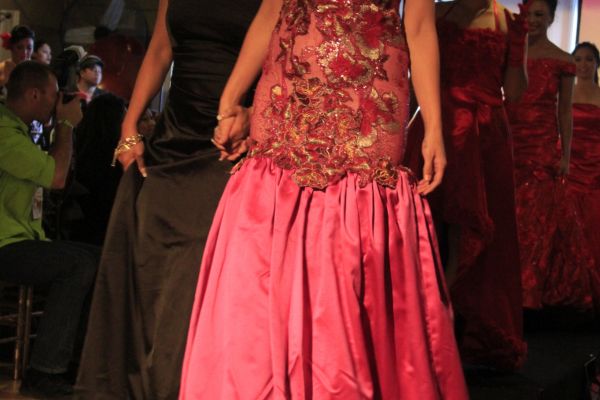
For generations, the fashion show followed a familiar rhythm. Guests gathered in a carefully chosen venue, music rose, lights shifted, and models stepped onto the runway wearing a designer’s latest collection. The experience was immediate, exclusive, and temporary. Once the final look disappeared backstage, the show survived mainly through photographs, reviews, and memory.
Virtual fashion shows have changed that pattern. Instead of being limited to one room and one moment, a collection can now unfold across screens, digital worlds, recorded films, interactive environments, or computer-generated spaces. Viewers may watch from a phone at home, explore garments through an online platform, or enter a virtual venue using an avatar.
This shift is more than a technical update. It is changing how fashion is presented, experienced, interpreted, and remembered.
What Makes a Fashion Show Virtual?
The term covers a surprisingly wide range of formats. A virtual show may be a professionally filmed runway presentation streamed online. It may be a short fashion film with cinematic lighting, unusual locations, and a loose narrative. Some presentations use animated models, digital garments, augmented reality, or immersive environments that would be impossible to construct physically.
Other shows blend real and digital elements. A designer may film models wearing physical clothing, then place them inside a digitally created landscape. Viewers might be able to rotate garments, zoom in on details, move through different rooms, or select the camera angle they want to follow.
This flexibility is part of the appeal. There is no single formula. Virtual fashion shows can resemble traditional runways, but they can also move far beyond them.
Fashion Presentation Without Physical Limits
A conventional runway is shaped by practical boundaries. The venue has a fixed size. The audience must sit in a particular place. Models walk along a planned route. Sets are limited by time, space, safety, and cost.
Digital presentation loosens many of those restrictions.
A collection inspired by the ocean can appear to move underwater. A futuristic clothing line can be shown in a floating city. Garments can change color while a model walks, dissolve into particles, or transform into another look without a physical change backstage.
These effects are not always necessary, and they can become distracting when used without purpose. Still, they give designers new ways to connect presentation with concept. The environment can become part of the collection’s meaning rather than simply acting as decoration.
When done well, the format allows the audience to enter the designer’s imagination more fully.
A Wider Audience Can Enter the Front Row
Traditional fashion weeks have always depended on exclusivity. Seating is limited, and invitations usually go to editors, buyers, celebrities, stylists, and other industry figures.
Virtual fashion shows open the experience to a much broader audience. A student in another country can watch the same presentation as a magazine editor. A fashion enthusiast who would never attend an invitation-only runway can see the collection as it is revealed.
This does not mean fashion has suddenly become entirely accessible. Internet quality, technology, language, and platform design can still create barriers. Some digital experiences also require expensive devices or software.
Even so, the potential reach is much greater. The show is no longer tied to the number of chairs in a venue. It can be watched live, replayed later, shared across platforms, and discussed by viewers around the world.
That broader access changes the relationship between fashion creators and audiences. People are no longer waiting only for professional commentary. They can form and share their own reactions immediately.
The Rise of Fashion Film and Visual Storytelling
One of the most interesting results of digital presentation has been the renewed importance of fashion film.
A runway asks viewers to focus on clothing as it moves past them. A film can do something different. It can slow down, move closer, change perspective, introduce characters, or build a mood over several minutes.
Fabric can be shown in motion. Handwork can be captured in detail. A garment can be filmed in the environment that inspired it, whether that is a city street, an empty theatre, a rural landscape, or a deliberately artificial studio.
This approach allows fashion to become more narrative. A collection can suggest emotion, tension, humour, memory, or social observation. The clothing remains central, but the presentation gives it a wider context.
There is a risk, of course. A visually impressive film can hide the garments rather than reveal them. Dramatic editing, low lighting, or complicated storytelling may leave viewers unsure about what the collection actually contains.
The strongest virtual presentations balance atmosphere with clarity.
Digital Clothing Creates a New Kind of Runway
Some virtual fashion shows do not depend on physical garments at all. Digital clothing can be designed using three-dimensional software and worn by animated figures, avatars, or digitally altered models.
This introduces creative possibilities that traditional construction cannot easily offer. A dress can be made from light, smoke, glass-like surfaces, or constantly moving patterns. Clothing does not need to obey gravity, fabric weight, or conventional sizing.
Digital fashion can also be used to test ideas before a physical sample is produced. Designers can explore proportions, colours, materials, and styling in a virtual environment.
However, digital clothing raises its own questions. If a garment cannot be physically worn, is it still fashion in the familiar sense? For some people, the answer is clearly yes. Clothing has always communicated identity, and digital identity is becoming increasingly important in games, social spaces, and online communities.
For others, the physical relationship between fabric and body remains essential. The tension between these views is likely to shape the future of virtual fashion.
The Viewer Becomes More Active
A traditional runway audience mostly watches. Virtual platforms can make the viewer more involved.
Some presentations allow users to click on garments, explore different views, read notes about materials, or move through a digital space at their own pace. Others create game-like environments in which viewers control an avatar and discover collections through rooms, landscapes, or interactive scenes.
This changes the rhythm of the experience. The designer may still guide the overall story, but the audience chooses where to look and how long to stay.
Interactivity can deepen attention, especially when it helps viewers understand construction or inspiration. Yet it can also become frustrating if the technology is confusing. A fashion presentation should not feel like a difficult software test.
The best interactive shows make exploration feel natural. Technology works quietly in the background rather than demanding attention for its own sake.
Production Challenges Have Not Disappeared
It is easy to imagine that virtual shows are simpler because there is no physical audience. In reality, they can require an entirely different set of skills.
Filming, animation, sound design, editing, digital modelling, lighting, web development, and platform testing may all be involved. A live stream needs reliable technical support. An immersive experience must work across different devices. Digital garments need careful movement and texture if they are to appear convincing.
The creative team may include filmmakers, programmers, animators, game designers, and visual-effects artists alongside traditional fashion professionals.
This collaboration can produce remarkable work, but it also introduces new costs and pressures. A poorly designed digital show can feel distant, slow, or unfinished. Technology does not automatically create innovation.
The concept still matters most.
Virtual Shows and the Environmental Question
Digital fashion presentations are sometimes described as a more sustainable alternative to physical events. There are obvious reasons for this argument. Fewer guests may need to fly, large temporary sets may not be built, and physical invitations or decorative materials can be reduced.
However, the environmental picture is not completely simple. Digital production also uses electricity, data storage, powerful computers, and electronic devices. Complex animation and online streaming require energy.
The real impact depends on how a show is produced and what it replaces. A simple digital presentation may use fewer physical resources than a large international event. A highly technical project can still require substantial computing power and equipment.
Virtual shows should therefore be seen as one possible tool rather than an automatic environmental solution. Thoughtful production choices remain necessary in both physical and digital formats.
The Physical Runway Is Unlikely to Disappear
Despite the rapid growth of digital formats, physical fashion shows still offer something difficult to reproduce on a screen.
There is a particular energy in hearing footsteps, seeing fabric move in real space, and watching a collection unfold among other people. Scale, texture, sound, and atmosphere can feel different when experienced directly.
For this reason, the future may not involve a complete replacement of traditional shows. Hybrid presentation is more likely. A designer might host a smaller physical event while creating a separate digital experience for global viewers. A runway could be streamed live, then expanded through close-up films, virtual garments, or interactive details.
The two formats can support each other. Physical shows create immediacy, while digital experiences extend access and allow deeper exploration.
A New Chapter in Fashion Communication
Virtual fashion shows represent more than a temporary response to changing circumstances. They have become a distinct creative format with their own language, strengths, and limitations.
They allow designers to build impossible worlds, reach wider audiences, experiment with digital clothing, and tell stories beyond the traditional runway. At the same time, they demand careful editing, technical skill, and a clear reason for using technology.
The most memorable presentations are not those with the most effects. They are the ones in which the format supports the clothes, the concept, and the feeling behind the collection.
Fashion has always adapted to new forms of communication. The runway once transformed garments into public performance. Now the screen, the virtual world, and the interactive space are expanding that performance again. Virtual fashion shows are not simply copying the old front row online. They are creating a new stage altogether.
