
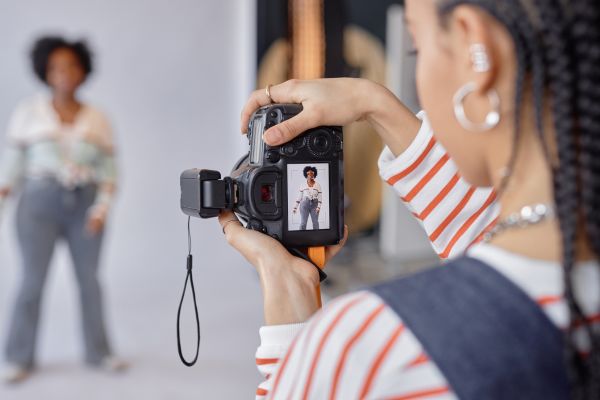
A photoshoot has a way of making every detail matter. The color of a dress, the texture of a jacket, the finish of a lipstick, even the way blush catches the light can change the entire mood of an image. That is why coordinating outfit and makeup for photoshoots is not just about looking “put together.” It is about creating a visual story where clothing, beauty, lighting, background, and personality all work in the same direction.
The best photos rarely happen by accident. They feel effortless, but behind that effortless look is usually a thoughtful balance of choices. Your outfit should not fight with your makeup, and your makeup should not disappear under the outfit. Both should support the overall concept, whether the shoot is soft and romantic, bold and editorial, clean and professional, or relaxed and lifestyle-focused.
When outfit and makeup coordination is done well, the final images feel polished without looking overdone. The subject looks confident, comfortable, and naturally aligned with the mood of the shoot.
Start With the Mood of the Photoshoot
Before choosing clothes or makeup, it helps to understand the mood you want the photos to express. A photoshoot is visual storytelling, and every styling decision should connect back to that story.
A soft outdoor shoot in natural light may call for flowing fabrics, gentle colors, fresh skin, and muted lips. A dramatic studio shoot might suit structured clothing, sharper makeup, defined eyes, and stronger contrast. A professional branding shoot often works best with clean tailoring, natural makeup, and colors that feel confident but not distracting.
This first step matters because outfit and makeup can look beautiful separately but feel mismatched together. A smoky eye with a breezy cotton dress may work in some creative settings, but in a natural lifestyle shoot, it may feel too heavy. Similarly, a very plain makeup look can sometimes feel unfinished beside a glamorous evening outfit.
Think of the mood as your guide. Once the direction is clear, the outfit and makeup choices become easier and more intentional.
Let Color Create Harmony
Color is one of the strongest tools in photoshoot styling. It affects mood, balance, and how the viewer’s eye moves across the image. When coordinating outfit and makeup for photoshoots, color harmony does not mean everything has to match perfectly. In fact, overly matched styling can sometimes look flat or dated. The goal is to create a natural connection.
If your outfit has warm tones such as beige, rust, camel, gold, peach, or olive, makeup with warm undertones usually works beautifully. Think bronzed cheeks, soft brown eyeshadow, peachy blush, or terracotta lipstick. These shades echo the outfit without copying it too directly.
For cooler outfits, such as navy, gray, icy blue, lavender, silver, or cool pink, makeup with cooler or neutral undertones often feels more balanced. A mauve lip, soft rose blush, taupe eyeshadow, or a clean winged liner can complement these colors without clashing.
Neutral outfits give more freedom. A white shirt, black dress, denim look, or cream suit can handle anything from barely-there makeup to a bold red lip. The key is to decide where the focus should be. If the clothing is simple, makeup can bring character. If the clothing is already bold, makeup may need to step back slightly.
Balance Bold Features With Simpler Details
A photoshoot look can absolutely have drama, but too many dramatic elements at once can compete on camera. If the outfit has a strong print, metallic fabric, statement sleeves, heavy embroidery, or a striking silhouette, makeup often looks better when it is slightly cleaner. That does not mean plain. It simply means controlled.
For example, a printed dress might pair well with glowing skin, softly defined eyes, and a lipstick shade taken from one of the colors in the print. A bold red suit may look powerful with sleek eyeliner and a neutral lip, while a minimalist black dress might come alive with a deep berry lipstick or sculpted cheekbones.
The same idea works in reverse. If the makeup is the star, the outfit can give it room to breathe. A graphic eye, glossy red lip, or strong contour often photographs better when the clothing is simple, structured, or monochrome.
Good styling is about knowing where the eye should land first. One strong focal point usually feels more elegant than five different elements asking for attention at the same time.
Consider the Lighting Before Finalizing Makeup
Makeup changes under different lighting. What looks soft in a mirror may disappear in bright studio lights. What looks glamorous indoors may appear heavy in natural daylight. This is why lighting should influence both makeup intensity and outfit selection.
Natural light tends to reveal texture and color honestly. For outdoor shoots, skin-focused makeup often works well: blended foundation, natural blush, soft eyes, and lips that look fresh rather than heavily layered. Heavy powder, harsh contour, or overly shimmery products can sometimes look more obvious outside.
Studio lighting can handle more makeup. In fact, makeup may need slightly more definition so the face does not look washed out. Defined brows, shaped eyes, visible blush, and a clear lip color can help the features hold their shape under strong lights.
Outfit fabrics also react to lighting. Satin can reflect light beautifully but may show wrinkles. Sequins can sparkle dramatically but may overpower the face. Black can look elegant but may lose detail in shadows. White can look clean but may reflect light onto the skin. When clothing and makeup are planned with the lighting in mind, the result feels much more refined.
Match the Outfit Style With the Makeup Finish
One often overlooked part of coordination is finish. The finish of makeup should feel connected to the texture and personality of the outfit.
A soft linen dress, cotton blouse, or relaxed denim outfit usually pairs well with natural skin, soft blush, brushed brows, and a lip color that feels lived-in. The makeup does not have to be invisible, but it should feel breathable.
A satin dress, tailored blazer, or evening gown can carry a more polished finish. Smooth skin, defined lashes, softly sculpted cheeks, and a satin or matte lip may look more intentional with dressier clothing.
For edgy outfits, such as leather jackets, sharp tailoring, boots, or monochrome fashion, makeup can take on more structure. A smudged liner, bold brow, nude matte lip, or deeper contour can strengthen the overall look.
The goal is not to follow strict rules. It is to make sure the clothing and beauty choices speak the same visual language.
Keep Skin Looking Like Skin
Photoshoot makeup does not always need to be heavy. In many cases, the most flattering makeup allows the skin to still look real. Cameras can capture texture, especially in close-up shots, so layering too much product may create the opposite of the polished effect people want.
A good approach is to even out the complexion while keeping dimension in the face. Foundation should match well, concealer should brighten without looking thick, and powder should control shine without making the skin look dry. Blush is especially important in photos because lighting can reduce natural color in the face. Even a soft touch of blush can bring life back into the image.
Highlighter should be used carefully. A subtle glow can look beautiful, especially on cheekbones and the bridge of the nose. Too much shimmer, however, can turn into bright patches under flash or studio lights. The best glow usually looks like healthy skin rather than obvious sparkle.
When the skin looks fresh, the outfit also looks better. There is an ease to the whole image that feels modern and confident.
Use Makeup to Support the Outfit’s Neckline
Necklines can influence how makeup appears in photos. A high neckline naturally brings attention upward toward the face, so makeup may need a little more definition around the eyes, brows, and lips. A turtleneck, buttoned shirt, or high-collar dress can look striking with a defined lip or clean eyeliner.
Lower necklines, off-shoulder styles, and open collars show more skin, so makeup should blend naturally with the neck, chest, and shoulders. It is important that the face does not look like a different shade from the rest of the body. A touch of bronzer or body glow can help create a seamless finish, especially for beauty, fashion, or portrait shoots.
If the outfit has a romantic neckline, such as a sweetheart or square cut, softer makeup often complements it beautifully. If the neckline is sharp and architectural, stronger makeup can enhance that structure.
Small details like this can make the styling feel more complete.
Think About the Background and Location
An outfit and makeup look can be perfect in isolation but feel wrong against the background. A photoshoot does not happen in empty space. Whether the setting is a studio backdrop, city street, garden, beach, café, office, or bedroom, the location becomes part of the image.
For outdoor greenery, earthy makeup tones and outfits in cream, brown, white, muted pink, or soft blue often feel natural. In urban settings, stronger contrasts such as black, gray, red, denim, or tailored neutrals can look stylish. For beach shoots, heavy makeup and stiff clothing may feel out of place, while glowing skin, soft lips, and flowing fabrics often match the environment better.
Studio backdrops give more control, but color still matters. A beige backdrop with beige clothing and nude makeup may look chic if there is enough contrast, but it can also appear washed out if everything is too similar. A dark backdrop may need stronger makeup definition so the face remains clear and expressive.
The background should not swallow the outfit or clash with the makeup. Instead, it should frame the whole look.
Choose Lip Color With Intention
Lip color can quietly tie everything together. It does not always need to be bold, but it should feel chosen.
A nude lip works well when the outfit or eye makeup is already strong. The best nude is not necessarily pale; it should have enough warmth or depth to define the mouth on camera. A pink or rose lip feels fresh and works beautifully for romantic, lifestyle, and soft fashion shoots. Brown, caramel, and terracotta shades can add warmth and sophistication, especially with earthy outfits.
Red lipstick is powerful in photos. It can make a simple outfit feel instantly styled. But it also becomes a focal point, so the rest of the makeup and clothing should support it. Berry, plum, and wine shades bring drama and depth, especially in cooler seasons or moodier shoots.
The lip color does not have to match the outfit exactly. It should simply belong to the same mood.
Avoid Trends That Overpower the Person
Trends can be fun, and photoshoots are a great place to experiment. Still, the strongest images usually do not feel trapped in one passing moment. Very trendy makeup or clothing can date photos quickly if it overwhelms the person being photographed.
That does not mean avoiding trends altogether. A modern eyeliner shape, a glossy lip, a monochrome outfit, or a fresh color palette can make images feel current. The trick is to adapt trends to the person’s features, comfort level, and the purpose of the shoot.
For personal portraits, the styling should still feel like you. For branding photos, it should feel aligned with the image you want to present. For fashion editorials, there is more room to push the look creatively. In every case, the person should not disappear behind the styling.
The best coordination enhances presence. It does not turn someone into a costume.
Prepare and Test Before the Shoot
A little preparation can prevent many styling problems. Trying the outfit and makeup together before the shoot is always helpful. This is when you can see whether the lipstick clashes with the fabric, whether the foundation matches the neckline, whether the jewelry changes the balance, or whether the outfit needs more or less makeup.
Taking a few phone photos in similar lighting can also reveal what the mirror does not. Sometimes a blush shade looks perfect in person but barely shows on camera. Sometimes a shirt color reflects strangely on the skin. Sometimes a lipstick that feels bold in the mirror looks just right in photos.
Clothing should be steamed, fitted, and comfortable enough to move in. Makeup should be packed for touch-ups, especially powder, lip color, blotting paper, and a small mirror. Even natural makeup needs maintenance during a shoot, especially under warm lights or outdoor conditions.
Preparation does not remove spontaneity. It simply gives the shoot a smoother foundation.
Let Confidence Be Part of the Look
No amount of coordination can replace comfort. If the outfit feels awkward or the makeup feels unlike you in a way that creates self-consciousness, it may show in the photos. The best styling sits at the meeting point between visual impact and personal ease.
This is why coordinating outfit and makeup for photoshoots should never feel like following a rigid formula. It is more about creating alignment. The colors should work together. The textures should make sense. The makeup should support the face. The outfit should support the mood. And above all, the person being photographed should feel able to relax into the moment.
When someone feels good in what they are wearing, their posture changes. Their expression softens. Their confidence becomes visible. That is the detail the camera often captures most clearly.
Conclusion
Outfit and makeup coordination for photoshoots is really about thoughtful balance. It is the art of making separate choices feel like one complete image. The outfit sets the tone, the makeup shapes the face, the lighting changes everything, and the location adds context. When these elements work together, the final photos feel natural, polished, and expressive.
The most successful looks are not always the most dramatic or expensive. Often, they are the ones where every detail feels considered but not forced. A soft lip with a flowing dress, a defined eye with sharp tailoring, glowing skin against natural light, or a bold lipstick with a simple outfit can all create memorable results when the choices support the same mood.
In the end, a photoshoot should capture more than clothes and makeup. It should capture presence, personality, and a sense of ease. When your styling feels harmonious, the camera does not just record how you look. It reflects how confidently the whole look comes together.
