
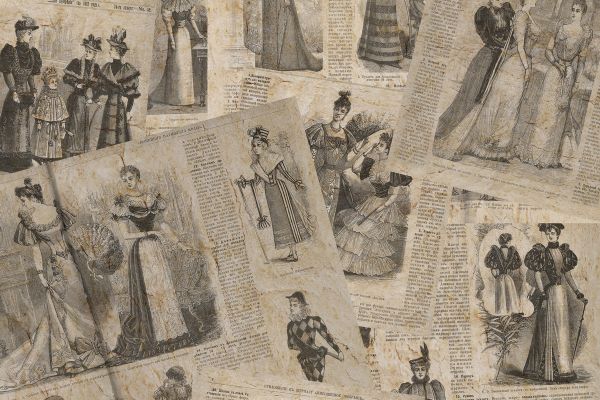
Fashion has always been more than clothing. It reflects culture, rebellion, identity, and the shifting values of society. When people talk about the fashion revolution history, they are really talking about the moments when clothing stopped being just decoration and became a powerful social statement. From dramatic changes in silhouettes to movements demanding ethical production, fashion revolutions have reshaped how the world dresses and how people think about style.
Throughout history, these revolutions did not appear suddenly. They often emerged from social unrest, political change, technological innovation, or cultural rebellion. Each movement left its mark, pushing fashion forward and redefining what it meant to express oneself through clothing.
Early Fashion Transformations and Social Identity
Before the modern idea of fashion existed, clothing primarily indicated social status. In medieval and Renaissance Europe, strict rules controlled who could wear certain fabrics or colors. Sumptuary laws ensured that wealthy elites maintained visual dominance over lower classes.
But subtle shifts began appearing during the 18th century. The rise of a growing middle class started to blur traditional dress codes. As textile production expanded and trade routes widened, fabrics once reserved for nobility became accessible to more people. Clothing slowly transitioned from a rigid class marker into a medium for personal expression.
This period laid the foundation for the earliest fashion transformations. Style started to evolve faster, trends emerged across cities, and fashion began responding to cultural change rather than simply reinforcing hierarchy.
The French Revolution and the Birth of Political Fashion
Few events shaped fashion revolution history as dramatically as the French Revolution in the late 18th century. Clothing became a direct symbol of political ideology.
Before the revolution, aristocratic fashion was extravagant. Elaborate wigs, silk garments, lace cuffs, and embroidered coats dominated elite wardrobes. When the revolution erupted, these styles quickly became associated with oppression and privilege.
Revolutionaries embraced simpler clothing to signal equality and solidarity. The “sans-culottes,” for example, rejected aristocratic knee-breeches and instead wore long trousers, which were traditionally associated with working-class laborers. This simple change carried enormous symbolic weight.
Fashion during this period transformed into a visible political language. Clothing choices communicated allegiance, resistance, or rebellion without a single word being spoken.
Industrialization and the Rise of Mass Fashion
The 19th century introduced one of the most transformative chapters in fashion history. Industrialization reshaped textile production, dramatically increasing the speed and scale of clothing manufacturing.
Before this era, garments were typically handmade and tailored individually. Industrial technology introduced mechanized weaving, sewing machines, and large-scale factories. As a result, clothing became cheaper and more widely available.
At the same time, fashion magazines began circulating across Europe and North America, spreading new styles beyond elite circles. Trends could now travel quickly from Paris salons to urban middle-class wardrobes.
This period marked the birth of modern fashion cycles. Styles began changing seasonally, designers gained cultural influence, and clothing became both a consumer product and a creative industry.
The Roaring Twenties and the Liberation of Women’s Fashion
One of the most iconic fashion revolutions arrived in the 1920s. After World War I, societies across Europe and the United States experienced massive cultural change. Women had entered the workforce during wartime, and traditional expectations surrounding gender roles began to shift.
Fashion responded immediately.
Corsets, which had shaped women’s bodies for centuries, disappeared from everyday wardrobes. In their place came loose, straight silhouettes. The flapper dress emerged as a symbol of freedom and modernity, allowing greater mobility and comfort.
Shorter hemlines, bobbed hairstyles, and minimal structure represented more than just aesthetic change. They reflected women’s growing independence and evolving social roles.
The 1920s proved that fashion could mirror social liberation. Clothing was no longer simply about beauty—it was about identity and autonomy.
Post-War Fashion and the Rebuilding of Style
World War II disrupted global fashion in profound ways. Fabric shortages forced designers to simplify garments, leading to practical, minimal styles. Clothing during wartime focused on utility rather than luxury.
When the war ended, fashion experienced a dramatic shift once again.
In 1947, Christian Dior introduced what became known as the “New Look.” This silhouette featured narrow waists, full skirts, and structured elegance. After years of wartime austerity, Dior’s designs symbolized a return to glamour and optimism.
The post-war era demonstrated fashion’s ability to respond emotionally to global events. After years of restraint, people sought beauty, celebration, and renewal through clothing.
The 1960s Counterculture and Youth Revolution
The 1960s brought one of the most vibrant and rebellious chapters in fashion revolution history. Unlike earlier movements led by aristocrats or designers, this revolution was driven largely by young people.
Youth culture exploded during this decade, fueled by music, civil rights activism, and political protest. Fashion became a tool of resistance against conservative social norms.
Miniskirts, psychedelic prints, bold colors, and experimental fabrics emerged across London, Paris, and New York. Designers like Mary Quant popularized styles that celebrated youth and freedom rather than formal elegance.
At the same time, the hippie movement rejected commercial fashion entirely. Handmade clothing, natural fabrics, and vintage garments became symbols of anti-consumerist values.
The 1960s proved that fashion revolutions could originate from the streets rather than the runway.
The Punk Movement and Fashion as Rebellion
In the 1970s, fashion once again transformed into an unmistakable statement of protest. The punk movement emerged in the United Kingdom as a reaction to economic hardship, political frustration, and social disillusionment.
Punk fashion deliberately rejected mainstream aesthetics. Torn clothing, safety pins, leather jackets, and bold graphic slogans created a style that was confrontational and unapologetic.
What made punk particularly significant was its DIY philosophy. Instead of purchasing polished garments, individuals customized their clothing, often altering or destroying existing pieces to create something unique.
This approach redefined creativity in fashion. Designers later adopted punk aesthetics, but its origins were rooted in raw self-expression and cultural resistance.
The Rise of Ethical Awareness in Fashion
In recent decades, another important chapter has emerged within fashion revolution history. Unlike earlier revolutions focused on style or identity, this movement addresses the ethics of clothing production.
Fast fashion, characterized by rapid manufacturing and inexpensive garments, dramatically reshaped the industry in the late 20th and early 21st centuries. While it made fashion more accessible, it also raised concerns about environmental impact, labor conditions, and waste.
In response, activists, designers, and consumers began questioning how clothing is made. The Fashion Revolution movement, launched in 2013 after the Rana Plaza factory collapse in Bangladesh, encouraged transparency across global supply chains.
The movement’s simple but powerful question—“Who made my clothes?”—sparked global conversations about responsibility in fashion.
For the first time, the revolution centered not on aesthetics but on accountability.
Digital Culture and the Future of Fashion Movements
The internet has created yet another transformation in fashion culture. Social media platforms allow trends to emerge almost instantly and spread globally within hours.
Influencers, independent designers, and everyday consumers now participate in shaping fashion conversations. Instead of waiting for seasonal runway shows, people discover styles through digital communities.
Online platforms also amplify discussions about sustainability, cultural appropriation, and representation in fashion. Voices that were once marginalized now play an increasingly influential role in shaping the industry’s direction.
Digital connectivity has democratized fashion in ways previous generations could never have imagined.
Conclusion
The story of fashion revolution history reveals that clothing has always reflected deeper cultural shifts. From political uprisings and industrial innovation to youth rebellion and ethical awareness, fashion has continuously evolved alongside society.
Each revolution changed more than garments. It reshaped how people express identity, challenge authority, and respond to the world around them.
As technology, culture, and social values continue to change, new fashion movements will undoubtedly emerge. What remains constant is fashion’s unique ability to capture the spirit of its time—thread by thread, generation after generation.
